
The WhatsApp Job That Starts at Rs 200 and Ends in Ruin
A WhatsApp text offers easy task work, pays Rs 200 on day one, then asks for deposits to unlock bigger earnings. September 2026 cases show how the trap closes.
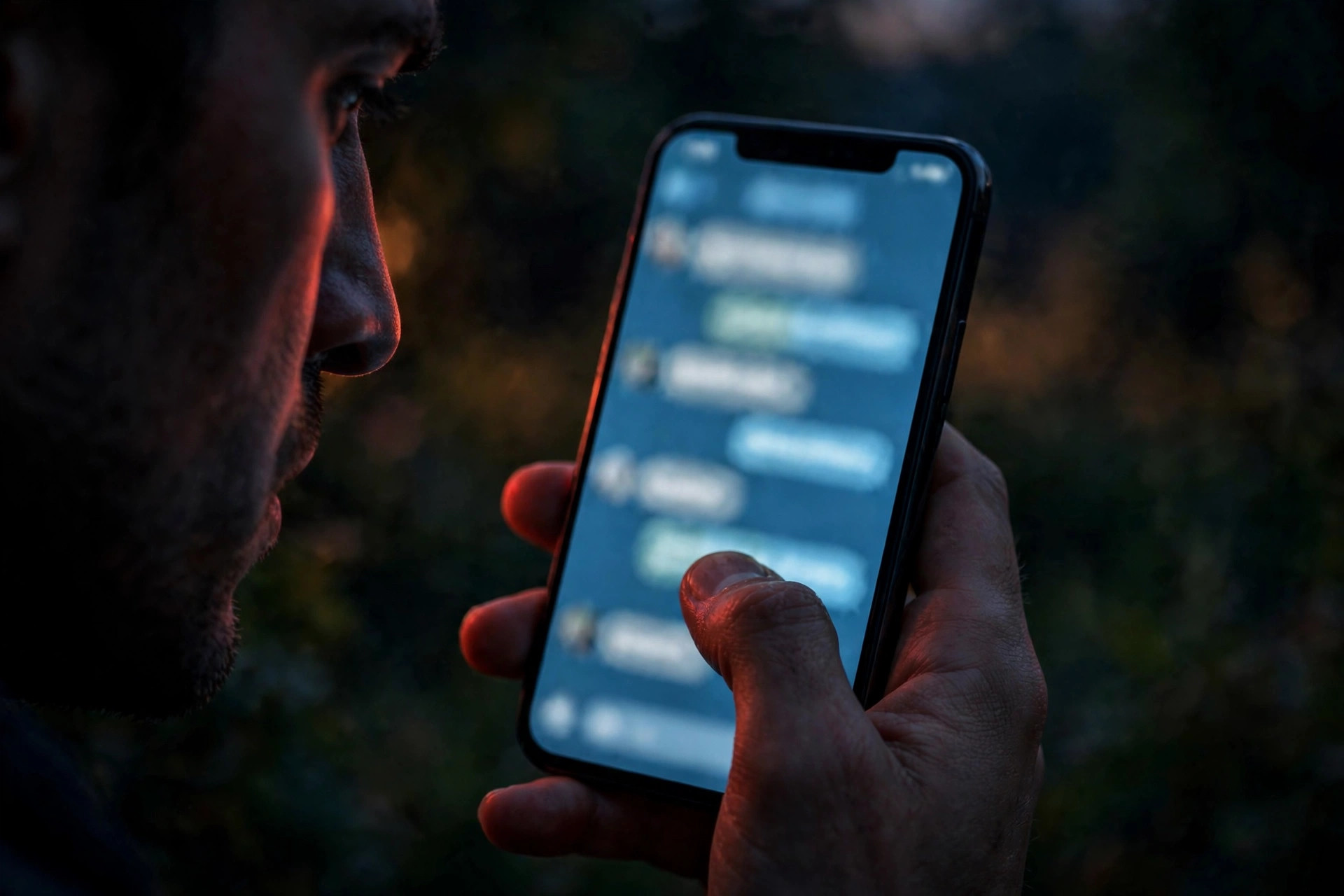
On September 11, a 25-year-old woman in Mangaluru got a WhatsApp message from an unknown number. The sender called himself an HR representative and offered her a work-from-home data entry job: Rs 200 a day for completing 20 simple tasks. She did the tasks. The Rs 200 arrived. It felt real, because the first payment always is. Six days later she had transferred Rs 9,33,866 to strangers, and there was no job at all.
How the playbook actually runs
This scam has a shape, and once you see it you cannot unsee it. It has been running for years, but September 2026 brought a fresh wave of warnings: a district police advisory on September 16 flagged Telegram and WhatsApp task jobs specifically, and on September 25 the Cyber Security Authority in Ghana warned jobseekers about cloned recruitment sites and unsolicited recruitment messages on WhatsApp and Telegram. The pattern in the advisories matches the Mangaluru case almost exactly.
- 1Day one: an unexpected text on WhatsApp or Telegram offers simple remote work — rating apps, data entry, reviewing products. The recruiter may name a real-sounding company.
- 2The trust payment: you complete a tiny batch of tasks and receive a small amount — Rs 200 in the Mangaluru case. The amount does not matter; the feeling of being paid matters.
- 3The escalation: the next task batch cannot be completed, or a "receptionist" appears with premium tasks. To continue, you must deposit money — Rs 3,000 at first, framed as unlocking bigger commissions.
- 4The spiral: every withdrawal attempt needs "one more task," and every task needs a bigger deposit. The dashboard shows your balance growing, which is just numbers on their screen.
- 5The disappearance: when the deposits stop, the Telegram group vanishes, the contacts go silent, and the money — moved fast through mule accounts and crypto — is gone.
Why the small payment is the whole trick
Scam analysts call this the hook, and it is cheap for the criminals. Paying a few hundred rupees to a victim buys the one thing a cold text cannot: credibility. Your brain files the experience under "they paid me before," and every later request for a deposit is weighed against that memory instead of against common sense. In the Mangaluru complaint, the Rs 200 landed on day one; the Rs 3,000 deposit request came on day two. Speed is part of the design — there is no time to think between the proof and the ask.
The dashboards are the second layer. Victims are shown earnings climbing with every task, which makes the deposit feel like an investment rather than a loss. None of it is real. Investigators documenting these cases keep finding the same fingerprints: new UPI IDs that change between tasks, agents who dodge video calls, pressure to use personal wallets, and funds routed quickly through mule accounts.
The one rule that ends this scam
Never pay to get paid
A real job pays you. If any "employer" asks you to deposit money to unlock tasks, commissions, levels, or withdrawals, it is a scam — every time, with no exceptions. Registration fees, training fees, security deposits, and crypto top-ups are all the same trick in different clothes.
Five checks before you trust a task offer
- Where did it arrive? Real employers do not recruit through random WhatsApp texts or Telegram groups. An unsolicited "reply YES" message about vague remote work is the standard opening move.
- Is the company verifiable? Ask for the legal company name and check it against official records — corporate affairs registries, tax registrations, a real website, real employee profiles. Scammers use real-sounding names like "Megha Company" that dissolve under five minutes of checking.
- Does the money flow only toward you? The moment the direction reverses — you paying them, for any reason — walk away. Legitimate platforms deduct their cut from your earnings; they never ask you to send money first.
- Can you withdraw small amounts early? A classic trap is letting you "earn" but never letting you withdraw without a deposit. Test with the smallest possible amount before putting in any real effort.
- Is anyone rushing you? "Complete this today," "the offer expires," rotating contacts who pick up the pressure — urgency is how they stop you from thinking.
What to do if you are already inside one
- 1Stop sending money immediately — not one more deposit, no matter what the "receptionist" promises about unlocking your balance.
- 2Screenshot everything: the original message, the group, the task dashboard, every payment receipt and UPI ID. Evidence disappears when the group does.
- 3Call your bank about the transfers you already made, and report to your country’s cybercrime channel. In India, the 1930 helpline exists specifically to try to hold suspect transfers — officials stress that the early hours matter most.
- 4Do not let shame keep you quiet. These operations are industrial: Delhi Police arrested 229 people connected to online job scams over sixteen months, and investigators believe the actual operators sit across borders. You were targeted by professionals, not fooled by amateurs.
There is a simple filter that would have stopped every one of these cases on day one: the money in any real earning setup flows in one direction only — toward you. The day someone asks you to send money to earn money, the conversation is over.
Tasks that never ask for a deposit
On eBizEarn, tasks pay you — you never pay to unlock them. Browse how verified tasks work and what earning actually looks like.
Share this article
eBizEarn Team
Writing for the eBizEarn blog — practical guides on social-media tasks, rewards, and staying safe online.
Related articles
 Safety
The Three-Word Phone Call That Signals a Task Scam Trap
A cold call ends with "add my WhatsApp". Small payouts appear in the app — then you must deposit to unlock more. How the scam runs, and the turn to watch for.
 Safety
Prime Week Scams: Fake Amazon Job Texts Are Surging
Fake Amazon job texts spike around sale events. Tracking shows they surged before Prime Big Deal Days — how the deposit-to-unlock scam works and how to spot it.
 Safety
No, TikTok Will Not Pay You for Scrolling: Scam Warning
A pop-up claiming TikTok pays you for scrolling is not from TikTok. How the ‘Screentime to Cash’ trick works, what TikTok said, and how to stay safe.