

Instagram Affiliate Hits 1 Million Sign-Ups: How It Pays
Myntra's Instagram affiliate programme crossed 1 million sign-ups in a month. What native affiliate tags are, how commissions work, and the honest limits.
One million people signed up for an affiliate programme on Instagram in a single month — and 200,000 of them already posted content through it. That is what Myntra, India’s large fashion e-commerce platform, announced on 15 October 2026 when it rolled out its affiliate commerce programme on Instagram in partnership with Meta. It is the first lifestyle e-commerce platform in India to offer the integration, and it shows where a growing share of creator income now comes from: not views, but shopping tags.
What Instagram affiliate tags actually are
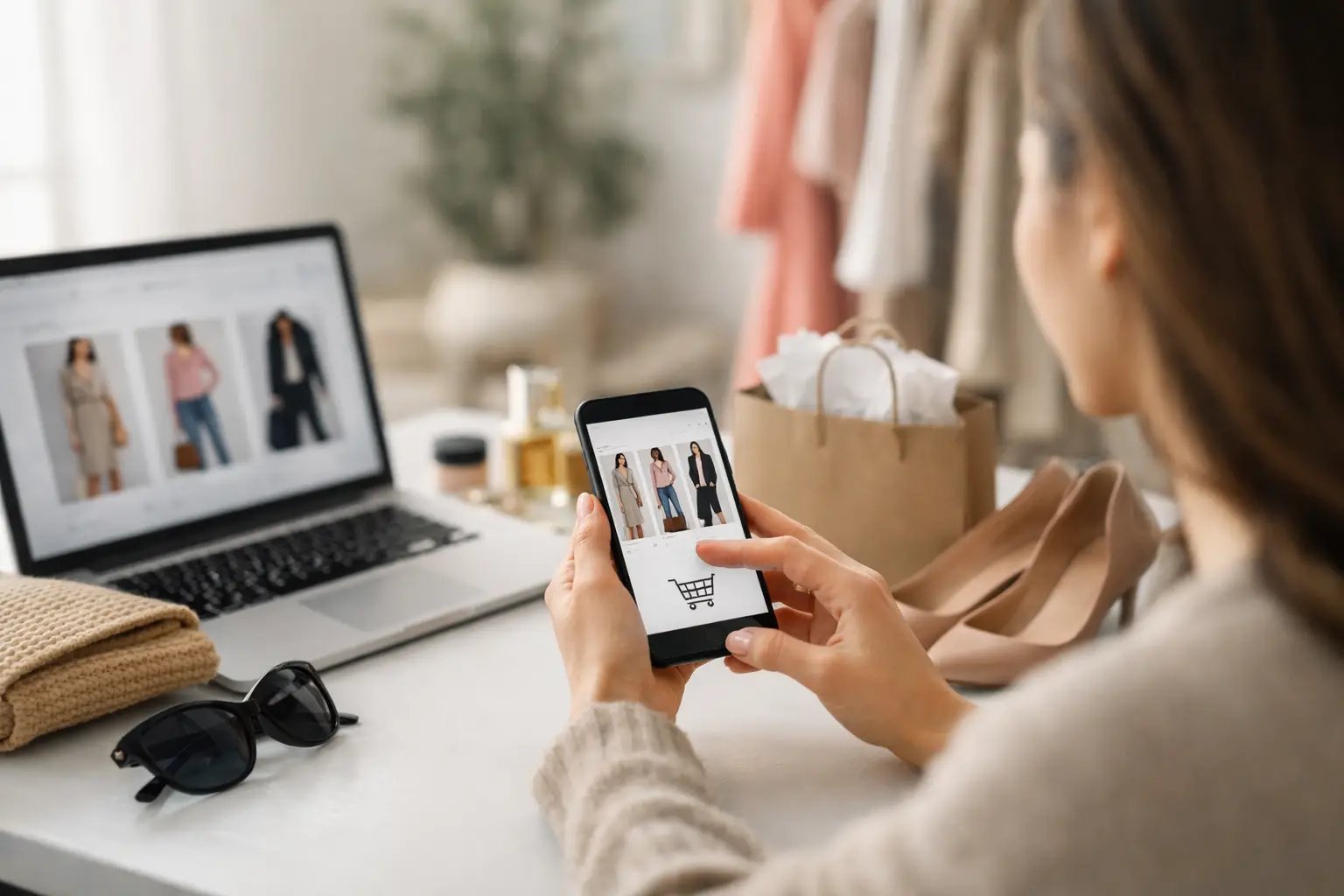
With native affiliate tags, a creator can tag a product directly inside an Instagram post or Reel. When a follower taps the tag and buys the product, the creator earns a commission on that sale. Nothing leaves the Instagram experience until the purchase itself, and there is no need for a link-in-bio page that followers have to visit separately.
This is different from brand sponsorships, where a company pays you a fixed amount to post. Affiliate income only arrives when someone actually buys. That makes it a sales channel disguised as content — which is both its opportunity and its catch.
Why the million sign-ups matter
The numbers Myntra shared give a sense of the scale. Combined with its earlier Facebook integration, which went live in June 2026 under the Flipkart Group’s partnership with Meta, the programme has seen about 1.3 million sign-ups and over 650,000 active creators on Facebook. Across Instagram and Facebook, the community has created roughly 3 million posts with these tags.
But read those figures carefully. Sign-ups are not earners. Myntra itself said around 200,000 creators had created content on Instagram out of the million-plus who signed up. Joining a programme is free and takes minutes; making consistent sales takes an audience that trusts you and a catalogue they actually want to buy.
Honest note
Earnings are never guaranteed. A commission arrives only when a tagged product sells, and rates, demand and competition all vary. Treat affiliate income as a side stream that rewards trust and consistency, not as a paycheque.
What decides whether affiliate tags pay for you
There is no single figure for what a tagged post earns, because several independent things have to line up:
- Audience fit: followers who already shop fashion or lifestyle respond far better than a random audience.
- Product match: recommendations you would genuinely make convert better than products you would never touch.
- Basket size and commission rate: a commission on a high-value item pays more per sale, but big-ticket items sell less often.
- Post volume: one tagged post rarely moves the needle; steady, natural tagging across posts compounds.
- Trust: followers who believe your taste will click; followers who sense a sales pitch will scroll past.
How to start sensibly
- 1Switch to a professional or creator account on Instagram so shopping and monetisation features are available to you.
- 2Find the affiliate feature in the app and apply where required; check eligibility and the product terms before you promote anything.
- 3Start with products you already own or use. Your first tagged posts should be things you can recommend without a script.
- 4Tag naturally inside Reels and posts where the product genuinely appears — a styling video with tagged pieces works far better than a photo gallery of random items.
- 5Disclose that links are affiliate links where the law requires it. Transparency builds the trust that commissions depend on.
- 6Check your dashboard regularly to see which products actually sell, then post more of what works and stop pushing what does not.
Affiliate tags vs. other earning streams
Affiliate commissions sit alongside other ways Instagram accounts earn: fan subscriptions, gifts on Reels and Live, invite-only bonus programmes, and branded content deals. Each has its own entry bar. Bonuses programmes, for instance, are invite-only and tied to monthly view counts, while brand deals depend on negotiated rates. Affiliate tags stand out for one reason: in most cases there is no minimum follower count and no invitation to wait for — you start when your audience starts buying.
That also makes them a practical first experiment for someone building an audience while doing task-based work on the side. You do not need permission from the platform to try; you need proof from your own posts that your followers act on your recommendations.
Build an income that stacks
Task work pays today; an audience pays tomorrow. Learn how earners combine both on eBizEarn.
Share this article
eBizEarn Team
Writing for the eBizEarn blog — practical guides on social-media tasks, rewards, and staying safe online.
Related articles
 Instagram
 Gifts and Subscriptions: What Small Creators Get
Instagram pays creators through Gifts and Subscriptions, not per view. The follower thresholds, the $0.01-per-Star rate, and what small accounts can expect.
 Instagram
 Lets Creators Boost Live Streams as Real-Time Ads
Instagram now lets creators turn live streams into real-time ads. Boost before going live or schedule ahead — how Live Boosts work and what they cost.
 Instagram
 Adds Shein, Lowe's and Halara Affiliate Links
Instagram quietly added Shein, Lowe's and Halara to its native affiliate tools, with rates from 2% to 25%. Who qualifies, what each brand pays, and how to join.