Fake Brand-Deal DMs: How Scammers Are Trapping Creators
Scammers are posing as brands in creators’ DMs, offering paid campaigns — then sending phishing links and QR codes. Here is the playbook and how to spot it.
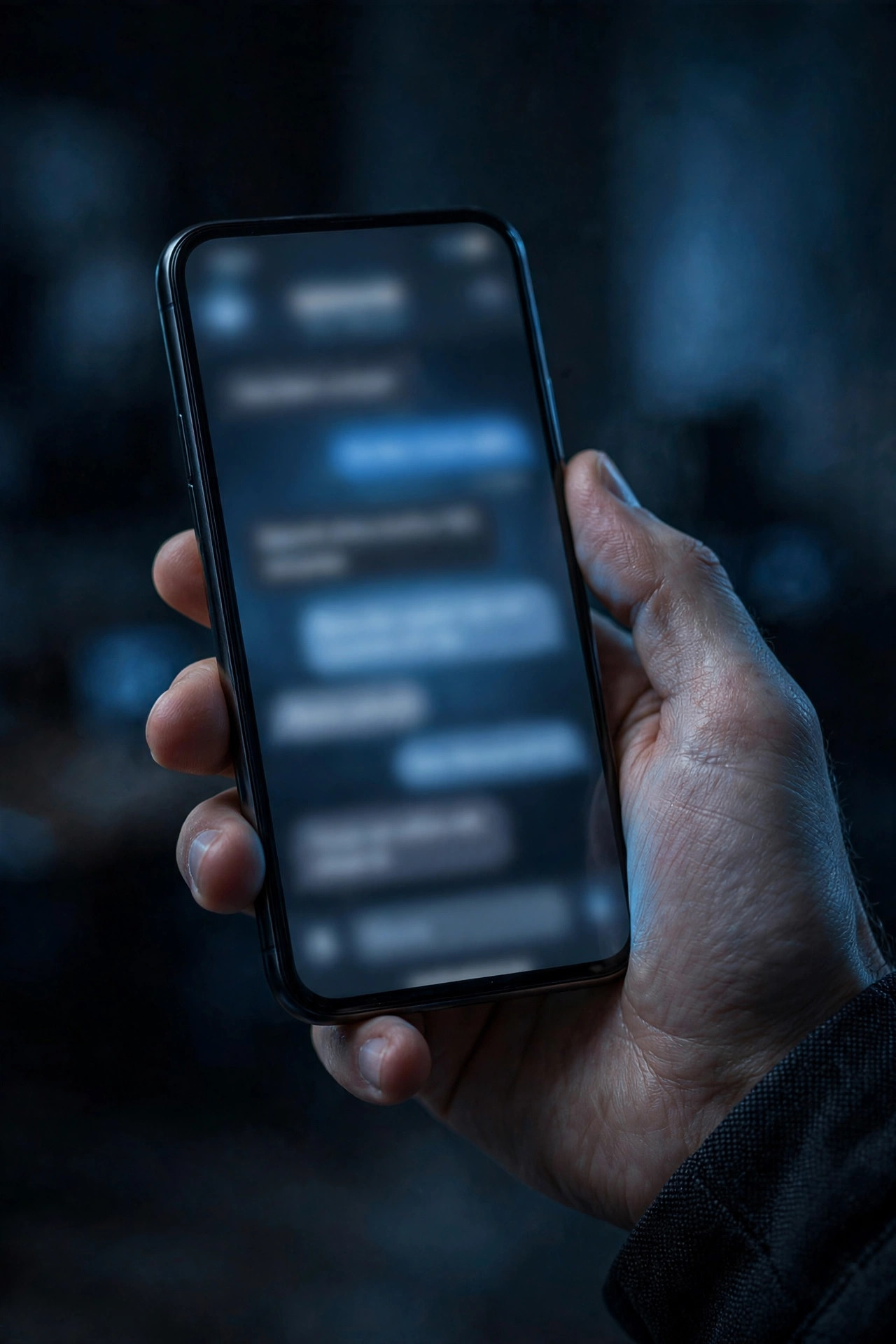
The message looks like the break every small creator waits for: a brand loves your content, wants you for a campaign, and the pay is generous. There is only one problem — the brand does not exist, and the “onboarding process” is a trap. Security researchers documented this exact campaign against TikTok and Instagram creators in September 2026, and it is one of the most polished social-engineering operations seen this year.
How the playbook works
It starts with research. The attackers study a creator’s content, then reach out — by email if they can find one, or straight into Instagram and TikTok DMs if they cannot. The pitch is detailed on purpose: a full campaign package with deliverables spelled out (a photoshoot session, edited promo photos, short-form videos, feed posts, stories), high rates, and the promise that transportation, hotel and food are fully covered. Detail is the weapon here — a vague scam is easy to ignore, but a campaign brief feels like a real business.
Then comes the hook. Victims contacted by email are told to click a link to choose the apparel designs they want for the shoot. Victims contacted by DM get a QR code to scan to “process the PR package” and sign the collaboration agreement. Both routes lead the same place: a malicious page designed to harvest the creator’s login credentials — and in some cases the attack escalates toward extortion using material pulled from the compromised account.
Why QR codes are the new danger
QR codes deserve a special warning. A link can at least be inspected — you can hover, read the domain, spot the misspelling. A QR code hides its destination completely until you scan it, which is exactly why scammers love them. A QR code arriving in a DM from someone you have never met should be treated the way you would treat a stranger handing you a locked box: you do not open it.
This is part of a wider surge. In Singapore alone, police reported on 2 October 2026 that at least 246 people had fallen for phishing scams delivered through fraudulent social media ads since July, losing at least S$1.4 million — victims clicked ads for cheap goods, landed on phishing pages, and handed over card details and one-time passwords.
Five tells of a fake brand deal
- The deal arrives before any relationship: real brands rarely offer paid campaigns to creators they have never interacted with, in the very first message.
- The pay is vague but generous: high rates are promised with no specifics about usage rights, deliverables in writing, or a contract.
- The process moves off-platform fast: a link, a QR code, an “onboarding portal” — anything that takes you away from the platform’s messaging and onto their turf.
- Urgency and flattery together: “we need your answer today” paired with praise for your content is a classic pressure cocktail.
- They ask for credentials or payments: no legitimate brand needs your password, your OTP, or a “refundable deposit” to send you free products.
How to verify a brand before you engage
- 1Find the brand’s official website yourself — type the domain, do not click their link — and use the contact details listed there to confirm the outreach is real.
- 2Check the sender’s account age, follower quality, and posting history. Brand-new accounts with stock-photo aesthetics are a red flag.
- 3Never enter your social login on a page you reached through someone else’s link. Real collaborations do not require you to log in to anything.
- 4Never scan QR codes from strangers, in DMs or email. If the “agreement” cannot be sent as a plain document, it is not an agreement.
- 5Turn on two-factor authentication with an authenticator app, and never share OTPs — any code sent “by mistake” is a takeover attempt.
If you already clicked
Change your password immediately from the platform’s official app or site, log out all other sessions, enable 2FA, scan your device for malware, and warn your followers — hijacked creator accounts are routinely used to scam the creator’s audience next.
Earn without the DM roulette
Real brand work should never start with a suspicious link. Verified microtasks on eBizEarn list exactly what to do and how rewards work — no mystery DMs involved.
Share this article
eBizEarn Team
Writing for the eBizEarn blog — practical guides on social-media tasks, rewards, and staying safe online.
Related articles
 Safety
UGC Payout Delays: What Creators Should Check First
Partipost creators say they are waiting on campaign pay from 2024. Here is how UGC payouts normally work, the red flags to spot, and how to protect yourself.
 Safety
SIM Swap Scams: How Criminals Hijack Your Number for Cash
A SIM swap lets a thief take over your phone number without touching your phone. A fresh court case shows how the attack works — and how to stop it.
 Getting Started
Pinterest Lets Brands Run Your Pins as Ads — No Deal Needed
Pinterest now lets brands put ad spend behind your Pins without a partnership first. No confirmed payout exists yet — here is what changed, and how to opt out.