
Facebook Monetization Reaches New Countries: What to Know
Côte d’Ivoire’s creators are close to earning directly from Meta platforms. What monetization rollouts mean for African earners still waiting for their turn.
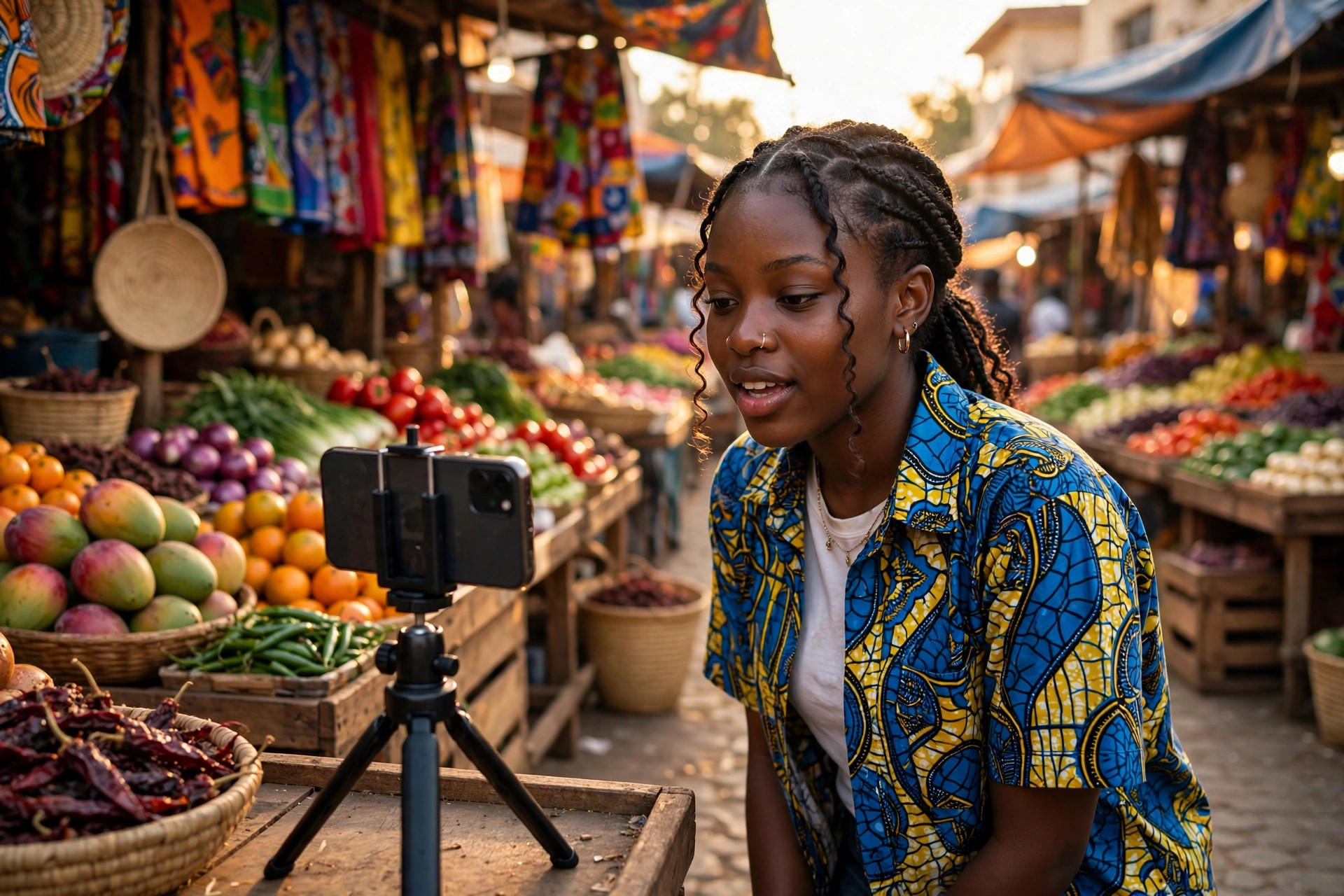
For years, one of the quiet frustrations of the creator economy has been geography: the same video earns revenue in one country and nothing in the next, because monetization simply is not switched on there. That wall is getting thinner. On 5 October 2026, Côte d’Ivoire’s digital transition minister said the country has entered the final phase of letting its creators earn money directly from Meta’s platforms — Facebook and Instagram among them — after technical tests were judged conclusive.
How a country gets monetization switched on
It is a bigger process than most creators realise. In Côte d’Ivoire, the project was launched at the urging of President Alassane Ouattara and involves several ministries — Commerce and Industry, Digital Transition, Culture and Francophonie — alongside the country’s audiovisual regulator, HACA, and Meta’s own teams. A cross-ministry task force has worked on the file for months. The infrastructure compatibility tests are done; what remains is the regulatory and administrative detail, and the government says it is prepared to amend its legal framework to let monetization roll out smoothly.
That last point matters more than it looks. Platform payouts cross tax law, foreign-exchange rules, and consumer protection — which is why launches take ministries, not just a settings toggle. When a country is in its “final phase,” it usually means the engineering is finished and the lawyers are negotiating what earnings mean under local law.
What this means for earners elsewhere in Africa
Monetization on Meta platforms is not available in every country, and the gaps are what projects like this one exist to close. If you create from a country where payouts are not yet available, the Côte d’Ivoire story tells you three useful things. First, these rollouts move on political and regulatory timelines, not product timelines — pressure and advocacy inside the country matter. Second, the pattern is country-by-country, so eligibility can change while you are building an audience; it pays to keep your page compliant now so you are ready when the switch flips. Third, when monetization does arrive, it typically starts with revenue-sharing or built-in creator features — the same mechanics that already exist in supported markets.
The practical move while you wait: build the audience, keep your account in good standing, and understand your country’s current payout options. Brand deals and off-platform income do not wait for monetization switches — many creators in unsupported countries already earn through sponsored posts and affiliate links long before the platform pays them directly.
Watch out for fake shortcuts
When a country nears monetization, scammers sell “monetization invites” or promise to unlock payouts for a fee. Meta’s program access is free — anyone charging you to enable it is running a scam. Never pay for access, and never hand your login to someone promising to unlock payouts.
Earn from verified social tasks
You do not need platform payouts to start — see how verified Instagram and Facebook tasks pay on eBizEarn.
Share this article
eBizEarn Team
Writing for the eBizEarn blog — practical guides on social-media tasks, rewards, and staying safe online.
Related articles
 Facebook
Platforms Are Paying Creators to Switch: The Bonus Wars
Facebook pays established creators up to $3,000 a month to post Reels; Instagram offers a $5,000 cross-platform bonus. What these deals require — and the catch.
 Facebook
 Pays Students With 1,000 Followers to Post Reels
Facebook opened Creator Fast Track to college students: 1,000 followers can unlock paid Reels, and bigger accounts get up to $3,000 a month for three months.
 Facebook
 Fast Track Reaches Brazil With Much Lower Pay
Facebook opened Creator Fast Track in Brazil, but the payouts are far below the US launch. Here is who qualifies, what it pays, and if it is worth your Reels.